
Tire Care Habits That Extend Tread Life and Improve Safety

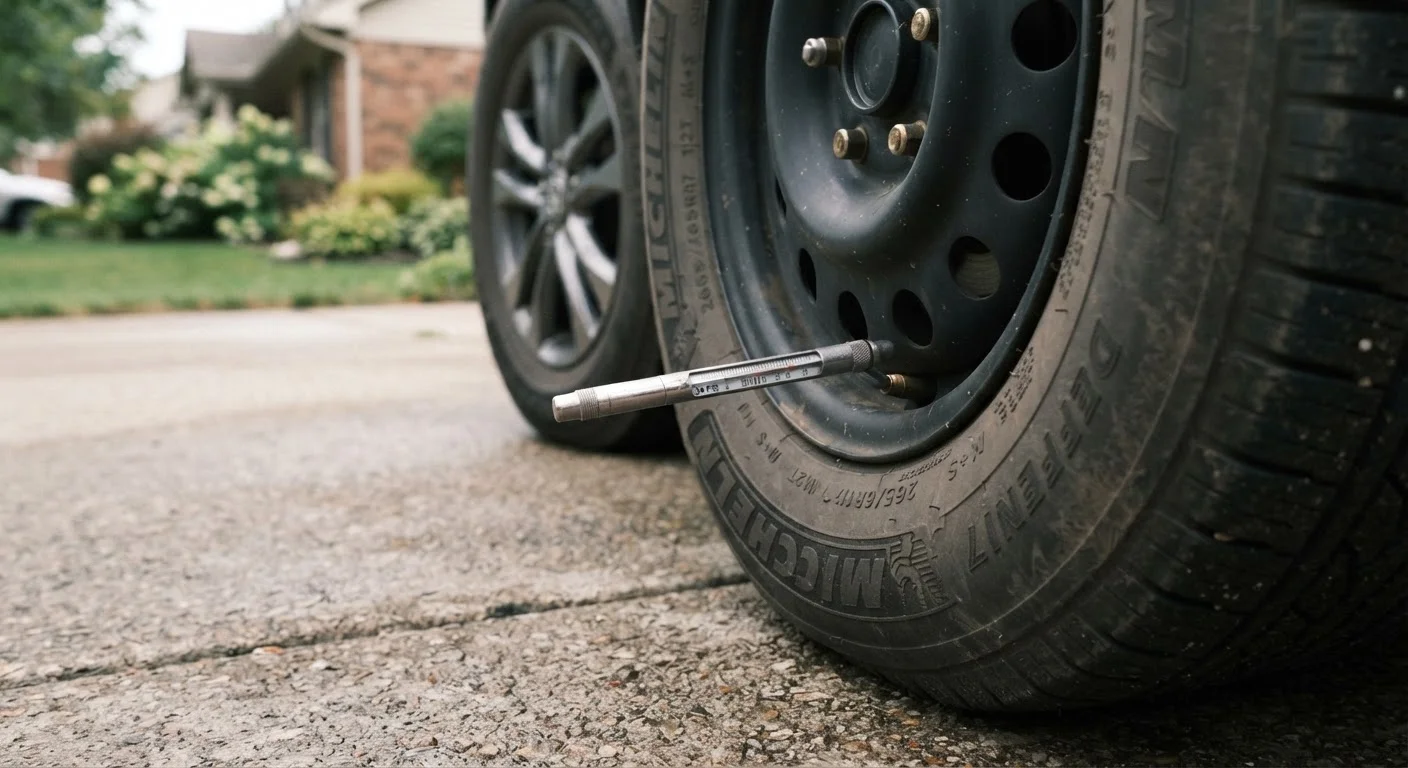
Rotation, inflation, and alignment: learn the tire maintenance habits that help tires last longer and keep your family safer on the road.
Key takeaways
- Keeping tires inflated to the vehicle manufacturer's recommended pressure reduces uneven wear and improves fuel economy.
- Rotating tires every 5,000 to 7,500 miles spreads wear evenly across all four tires, extending their usable life.
- Wheel alignment problems cause rapid, uneven tread wear and should be checked after any hard impact or once a year.
- A simple tread depth check using a quarter can tell you when tires are approaching the end of safe use.
- Tire maintenance is one of the most cost-effective ways to avoid an unexpected large expense.
Why tire care pays off at the pump and at the repair shop
Tires are one of the few parts of a car that touch the road constantly, yet routine tire care is something many families skip until something goes wrong. A blowout on the highway or a slow leak that turns into a flat forces a repair that costs far more than the maintenance that could have prevented it. Beyond cost, worn or improperly maintained tires affect how well a vehicle stops and steers, which matters when road conditions change fast.
The habits covered here are drawn from guidance published by the National Highway Traffic Safety Administration (NHTSA) and AAA. Most of them cost nothing beyond a few minutes of attention each month, and some can be done in a parking lot with no tools at all. For families watching a tight budget, consistent tire care is one of the clearest ways to delay a major purchase. See also our seasonal car care checklist for a broader look at what to inspect as weather shifts.
The core habits that protect your tires
These practices work together. Neglecting one tends to make the others less effective, so treating them as a routine rather than separate to-do items gives the best results.
Check tire pressure at least once a month and before long trips.
Tires lose roughly 1 PSI (pound per square inch) per month under normal conditions, and more when temperatures drop. Underinflated tires flex more than they should, which builds heat and accelerates wear on the outer edges of the tread. NHTSA data links underinflation to reduced fuel efficiency and a higher risk of tire failure.
Use the pressure figure printed on the vehicle door jamb sticker, not the maximum listed on the tire sidewall.
The number molded into the tire sidewall is the maximum the tire can hold, not the pressure that suits your specific vehicle's weight and handling. Overinflating a tire causes the center of the tread to bear most of the load, wearing a narrow strip down the middle faster than the edges.
Rotate tires every 5,000 to 7,500 miles, or consult your owner's manual for the interval that fits your vehicle.
Front tires steer and, on front-wheel-drive vehicles, also power the car, so they wear faster than rear tires. Moving tires to different positions regularly means each one wears down at a similar rate, so you replace the full set together rather than buying two tires at a time repeatedly.
Have wheel alignment checked once a year or after hitting a significant pothole or curb.
Alignment refers to the angle at which your tires meet the road. When those angles drift out of spec, one edge of a tire scrubs against the pavement harder than the other on every mile driven. A vehicle pulling to one side while driving straight is a common sign the alignment is off.
Inspect tread depth regularly using a quarter or a penny.
Federal safety standards set a minimum tread depth of 2/32 of an inch, but many safety organizations recommend replacing tires before they reach that point. Shallow tread cannot channel water away from the contact patch effectively, which increases stopping distances on wet roads.
Check tires visually for damage, bulges, or embedded objects each time you approach your vehicle.
A screw or nail in a tire may hold air for days or weeks before causing a slow leak or sudden failure. A bulge in the sidewall signals that the internal structure of the tire has been compromised and the tire should be inspected by a mechanic promptly.
If some of this terminology is unfamiliar, our car care glossary defines terms like tread depth, alignment, and torque specs in plain language.
Quick actions you can take today
You do not need a full Saturday or a garage to start. Several of these steps take under five minutes and require nothing more than what most drivers already keep in their car or carry in a pocket.
Building these checks into existing habits, such as checking pressure each time you stop for fuel, makes them easier to sustain. For drivers new to hands-on maintenance, our beginner's guide to DIY car maintenance walks through the basics of what any driver can safely handle at home.
Consistent tire care also connects to broader budget discipline. Just as preventive habits reduce long-term costs in other areas of family life, such as those outlined in our guide to preventive health habits, staying ahead of wear is almost always less expensive than responding to a failure.
The content provided on our blog site traverses numerous categories, offering readers valuable and practical information. Readers can use the editorial team’s research and data to gain more insights into their topics of interest. However, they are requested not to treat the articles as conclusive. The website team cannot be held responsible for differences in data or inaccuracies found across other platforms. Please also note that the site might also miss out on various schemes and offers available that the readers may find more beneficial than the ones we cover.