
Why Ignoring Small Car Problems Gets Expensive Fast

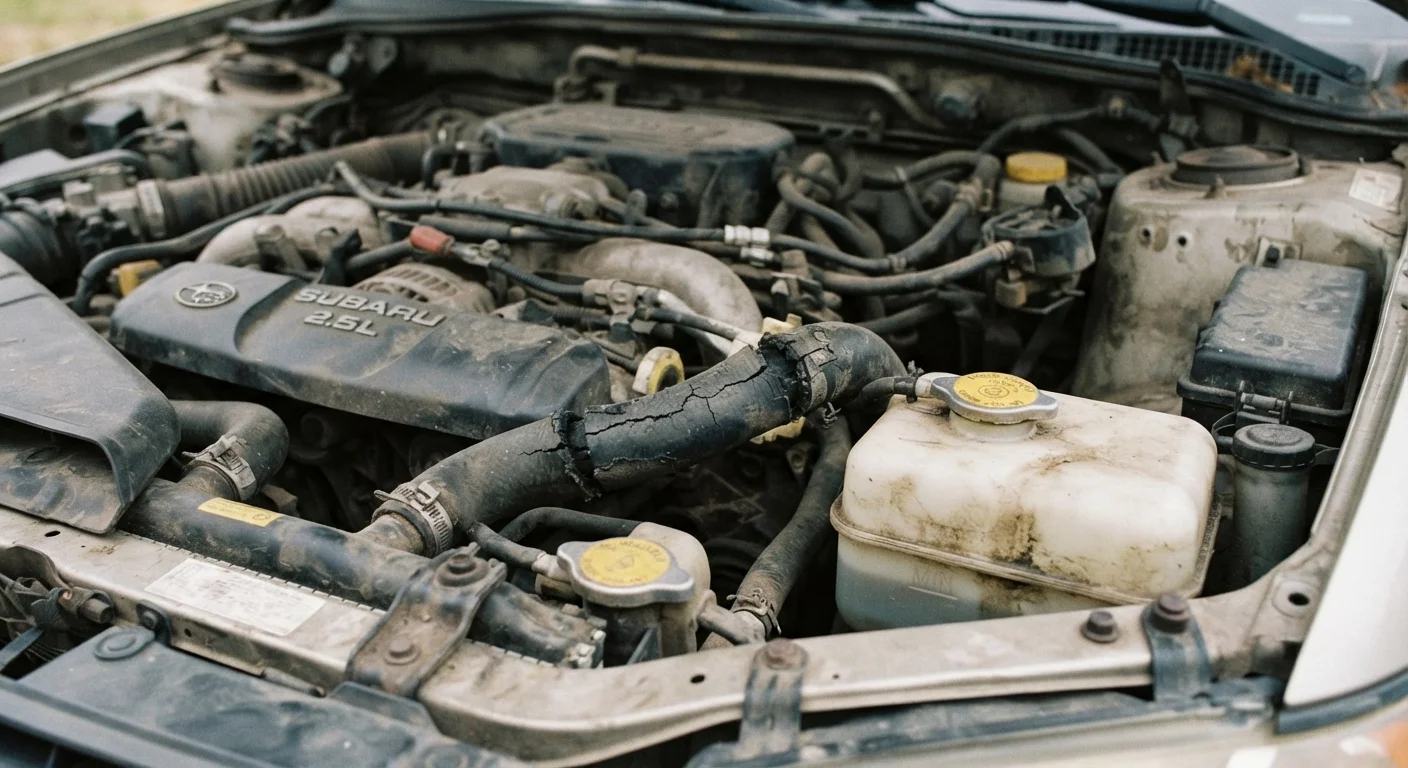
A squeaky brake pad or a low coolant warning may seem minor, but small neglected issues often snowball into major repair bills.
Key takeaways
- A single ignored warning light can trigger a chain of failures that multiplies the original repair cost.
- Most small car problems are cheap to fix early but expensive once surrounding components fail.
- Staying on top of fluid levels, brake wear, and tire pressure takes minutes and costs very little.
- Knowing which jobs you can handle yourself versus when to call a mechanic saves money long-term.
How small problems become big bills
A faint squeal when you brake. A dashboard light that flickers but never stays on. A slight vibration at highway speed. These feel easy to put off, especially when money is tight. The problem is that most vehicle systems are interconnected, so a minor fault in one area puts stress on adjacent parts until something more expensive fails.
This pattern is well documented by repair shops and confirmed by AAA's annual vehicle repair surveys, which consistently show that deferred maintenance is among the leading causes of roadside breakdowns. The cost gap between catching a problem early and waiting until the car stops working can run into hundreds or even thousands of dollars.
The same logic applies to your home. If you want a comparison, The Real Cost of Deferred Home Maintenance covers how putting off routine upkeep at home snowballs in a very similar way.
Ignoring the low tire pressure warning and driving on underinflated tires.
Why it happens: Drivers assume the tire just needs a quick top-off and that the problem is not urgent. The light often goes away after refilling, so it feels resolved.
Putting off brake pad replacement until the grinding starts.
Why it happens: Squealing brakes are annoying but the car still stops, so it feels like a cosmetic issue rather than a safety one.
Dismissing a coolant low warning or a temperature gauge that creeps higher than usual.
Why it happens: Topping off coolant seems like a fix, but low coolant is often a symptom of a slow leak rather than the problem itself.
Skipping oil changes or stretching them well beyond the manufacturer's recommended interval.
Why it happens: Modern vehicles with longer oil change intervals have led some drivers to assume the interval is flexible, or that an extra few thousand miles will not matter.
Ignoring a check engine light because the car seems to drive normally.
Why it happens: Check engine lights have a reputation for triggering over minor issues like a loose gas cap, so drivers assume any light is probably not serious.
What you can realistically handle yourself
Several of the most common early-warning issues are genuinely DIY-friendly. Checking and topping off coolant, windshield washer fluid, and brake fluid costs only the price of the fluid itself. Inspecting brake pad thickness through the wheel spokes takes about two minutes and no tools. Checking tire pressure with a gauge that costs a few dollars can extend tire life by tens of thousands of miles, according to the National Highway Traffic Safety Administration (NHTSA).
Where DIY stops making sense is when a repair requires lifting the vehicle safely, working near fuel or electrical systems, or diagnosing a fault code that could mean several different things. In those cases, a one-time diagnostic fee at a reputable independent shop is almost always cheaper than guessing wrong and replacing a part that was not the root cause.
$1,200+
Average unexpected vehicle repair bill
AAA's Vehicle Repair Cost Survey found the average unexpected repair bill exceeded $1,200, leaving many drivers without emergency savings to cover it.
2x-3x
Cost multiplier when brake pads reach metal-on-metal contact
Replacing pads and resurfacing or replacing rotors typically costs two to three times more than replacing pads alone at the squeal stage.
The broader principle here mirrors advice in Weekend Repairs That Actually Hold Up Over Time: knowing your limits is part of doing the job right.
The content provided on our blog site traverses numerous categories, offering readers valuable and practical information. Readers can use the editorial team’s research and data to gain more insights into their topics of interest. However, they are requested not to treat the articles as conclusive. The website team cannot be held responsible for differences in data or inaccuracies found across other platforms. Please also note that the site might also miss out on various schemes and offers available that the readers may find more beneficial than the ones we cover.