
The Real Cost of Deferred Home Maintenance

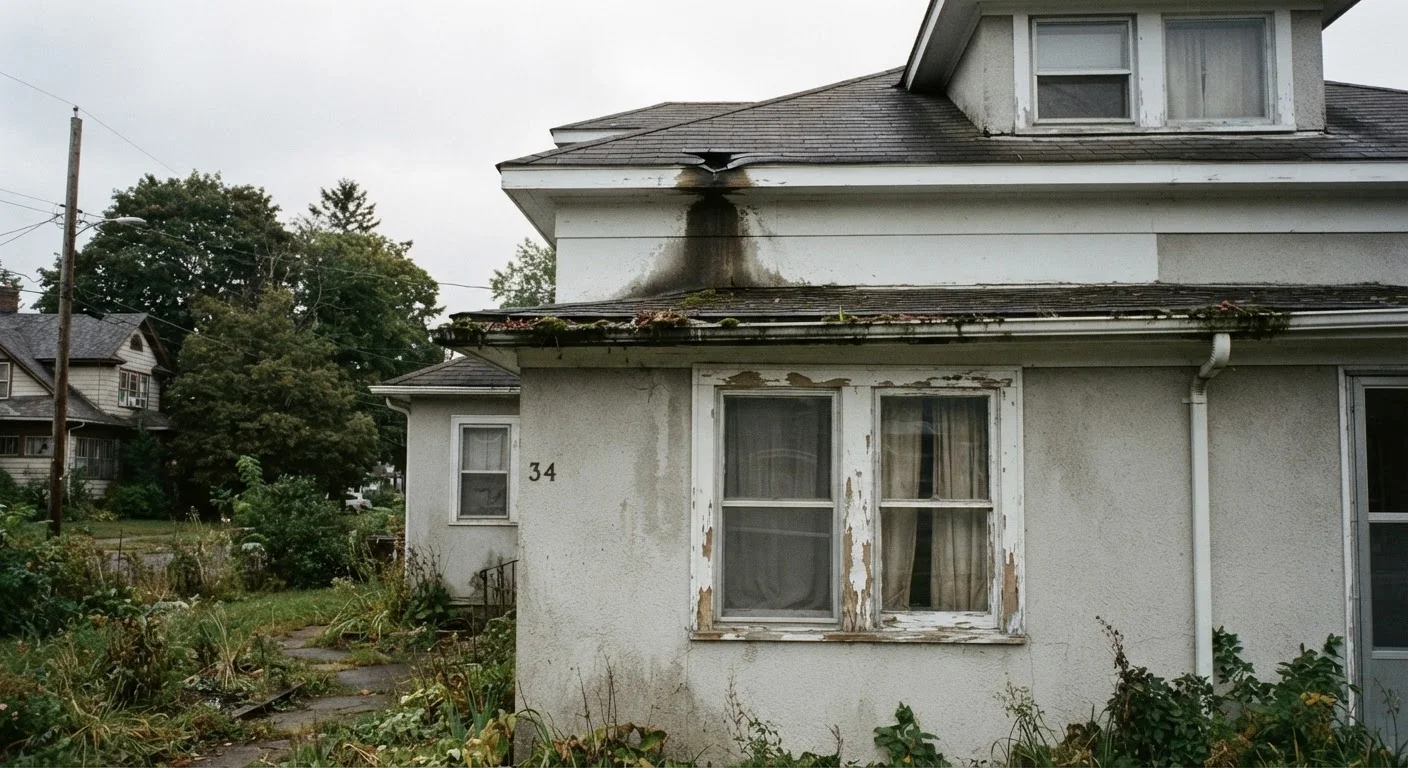
Putting off routine upkeep feels like saving money, but small neglected issues often snowball. Here is what the research and common experience say.
Key takeaways
- A minor water leak left unaddressed can cause mold growth within 24 to 48 hours, turning a $20 caulk job into a remediation project costing thousands.
- Routine maintenance costs typically run 1% to 2% of a home's value per year; deferred work does not eliminate that spending, it shifts it to a larger future bill.
- Some deferred maintenance issues reduce a home's resale value by more than the cost of the repair itself.
- Prioritizing repairs by water exposure risk, structural impact, and safety gives homeowners a practical order of operations.
- A seasonal checklist approach catches small problems before they compound.
Why skipping maintenance feels rational but rarely is
When money is tight, skipping the $150 gutter cleaning or the $40 tube of roof caulk feels like a sensible choice. The house looks fine. Nothing is obviously broken. That logic has a flaw: home systems degrade gradually, and the point at which a small fix becomes a large one is usually invisible until it has already happened.
The 1% to 2% annual maintenance guideline exists because homes are physical systems that wear continuously. Deferring work does not reset or eliminate that cost; it accumulates interest. A $200 repair delayed for two years does not stay $200. Water, temperature cycles, pests, and UV exposure keep working whether or not the homeowner does.
The same pattern shows up across household spending categories. Habits that quietly inflate the family budget often share this structure: a small recurring expense ignored today becomes a larger corrective expense later.
How small problems compound into large repair bills
Water is the most destructive force in residential maintenance, and most deferred-maintenance emergencies trace back to it. A cracked caulk bead around a window lets moisture reach the rough framing behind the drywall. Mold can begin growing within 24 to 48 hours in warm, moist conditions. By the time a stain appears on the wall, remediation may involve removing and replacing drywall, insulation, and framing, a project that costs many times what the original caulking repair would have.
Roofs follow a similar pattern. A few missing shingles or failed flashing may cost a few hundred dollars to fix. Left through one or two wet seasons, the decking beneath can saturate and rot, pulling the repair estimate into thousands. Interior damage to ceilings and flooring adds further to that number.
HVAC systems are another common source of compounding costs. A dirty air filter strains the blower motor; a clogged condensate drain causes water damage; a refrigerant leak that goes unaddressed accelerates compressor wear. Each neglected step shortens the equipment's useful life and moves a replacement purchase closer.
Start with water and work outward
When triaging deferred maintenance on a limited budget, address anything that allows water into the structure first: roof flashing, window caulking, gutter function, and foundation drainage. Water damage is the fastest-escalating category and the hardest to remediate once it has progressed into framing or insulation.
Deferred maintenance on a vehicle follows the same logic. Ignoring small car problems shows how minor mechanical issues escalate when left unaddressed.
Prioritizing repairs when the budget is limited
Not every deferred item carries equal risk. Homeowners working with a limited budget can triage by asking three questions about each outstanding issue: Does it involve water intrusion? Does it affect a structural element? Does it create a safety hazard?
Items that answer yes to any of these questions move to the front of the list. Cosmetic issues, such as a scuffed baseboard or an outdated light fixture, can wait without causing further damage. A soft spot in a subfloor near a toilet, a gap in exterior caulking at grade level, or a slow drain that suggests a partial blockage cannot.
For work within a homeowner's skill level, addressing exterior sealing, gutter clearing, and filter changes costs relatively little in materials and time. For anything involving the electrical panel, gas connections, or load-bearing structure, a licensed contractor is the appropriate choice. Many jurisdictions require permits for this work, and unpermitted repairs can create complications at resale. Our DIY versus hiring a pro guide walks through how to assess which jobs belong in which category.
Building a maintenance habit that prevents deferral
The most cost-effective approach to home maintenance is systematic rather than reactive. A seasonal inspection routine, done twice a year or at each season change, catches problems while they are still minor. The seasonal home maintenance checklist on this site provides a room-by-room structure that removes guesswork.
A written maintenance log, even a simple notebook or spreadsheet, gives homeowners a record of what has been done and what is upcoming. When a problem does appear, a log helps establish whether it is new or has been building, which matters for insurance purposes and for contractor conversations.
Budgeting for maintenance as a fixed monthly line item, rather than treating it as an unexpected expense, makes it easier to fund repairs before they escalate. Setting aside a consistent amount each month, scaled to the home's age and condition, smooths out the financial impact. Prevention in home maintenance mirrors the logic of prevention in other areas of household spending: a modest, consistent investment tends to cost less than periodic large corrective ones, as the broader principle behind preventive habits reducing long-term costs also reflects.
Frequently Asked Questions
The content provided on our blog site traverses numerous categories, offering readers valuable and practical information. Readers can use the editorial team’s research and data to gain more insights into their topics of interest. However, they are requested not to treat the articles as conclusive. The website team cannot be held responsible for differences in data or inaccuracies found across other platforms. Please also note that the site might also miss out on various schemes and offers available that the readers may find more beneficial than the ones we cover.