
Starting a Vegetable Garden Without Spending Much

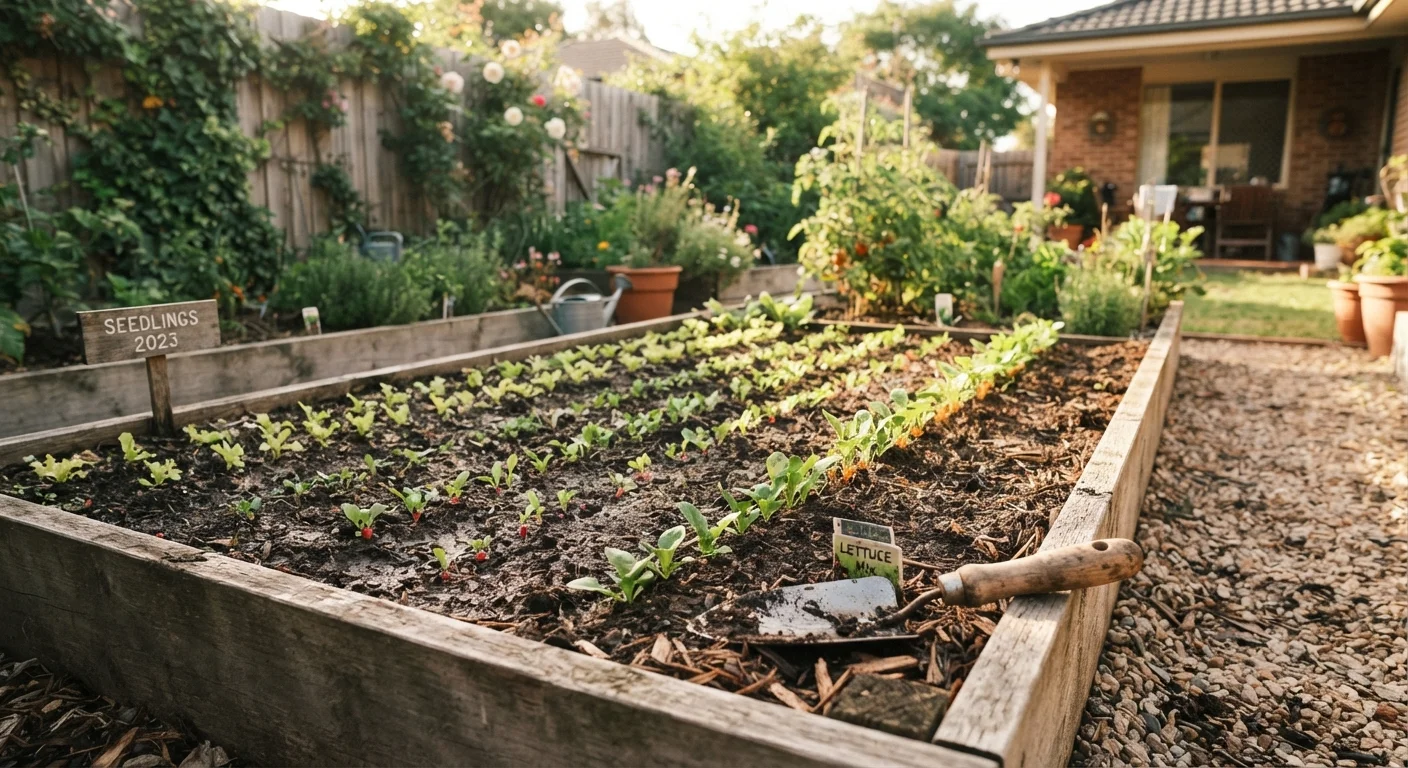
A productive home vegetable garden does not require expensive raised beds or fancy tools. This guide walks beginners through the essentials from scratch.
Start here
Choosing the right spot
Next
What to grow as a beginner
Then
Soil, seeds, and starting cheap
When you're ready
Watering and basic care
Long term
Keeping costs low over time
Key takeaways
- Six hours of direct sunlight per day is the minimum threshold for most vegetables.
- Direct seeding costs far less than buying transplants from a garden center.
- Compost made from kitchen scraps can replace purchased fertilizer entirely.
- Saving seeds from mature vegetables eliminates seed costs in future seasons.
- Watering at the base of plants rather than from above reduces disease and water waste.
Choosing the right spot
Site selection determines more about your harvest than almost any other decision, and it costs nothing to get right. Most vegetables need at least six hours of direct sunlight daily. Walk your yard at mid-morning and again at mid-afternoon and note which patches stay sunny. A south-facing or west-facing open area is usually your best candidate.
Avoid areas directly under trees. Tree roots compete aggressively for water and nutrients, and leaf canopy blocks light even when trees appear to be off to the side. Also avoid low spots where water pools after rain: waterlogged roots rot quickly.
Proximity to your house is worth considering too. Gardens closer to the kitchen door get tended more consistently. When herbs or salad greens are a short walk away, you actually use them.
Check soil drainage before you dig
Dig a hole about 12 inches deep and fill it with water. If the water drains within an hour, drainage is adequate for most vegetables. If it sits for several hours, the area may need amendments or a different planting approach. This test takes five minutes and can save a season of frustration.
What to grow as a beginner
Choose vegetables your family eats regularly. Growing something unfamiliar rarely pays off. Tomatoes, zucchini, green beans, lettuce, and cucumbers are forgiving, high-yielding crops that translate directly into grocery savings.
Zucchini and green beans produce heavily from a small number of plants and need little attention once established. Tomatoes take more care but deliver substantial harvests. Lettuce and spinach grow quickly enough that you can harvest multiple times from the same planting.
Avoid starting with corn or melons if space is limited. Both need a lot of room to produce a meaningful yield relative to the area they occupy. Stick to crops that produce continuously rather than all at once, which also makes cooking and preservation easier. Pairing garden produce with smart food choices pairs well with the ideas in our guide on affordable nutritious eating.
Soil, seeds, and starting cheap
Healthy soil is the only input that genuinely cannot be skipped. Before planting, dig down about 12 inches and break up compacted layers. Mix in compost if you have it. A simple compost pile started with kitchen vegetable scraps and dry leaves will be ready to use within three to six months depending on how often you turn it.
Seeds cost a fraction of transplants. A single seed packet containing 50 to 200 seeds typically costs $2 to $4. The same number of transplants from a garden center could cost $20 or more. Direct-sow crops like beans, squash, carrots, and radishes directly into the ground rather than starting them indoors.
Direct seeding
Planting seeds directly into garden soil rather than starting them indoors first. Many crops establish better this way and it costs far less than buying transplants.
Transplant
A seedling grown in a container before being moved into the garden. Useful for crops that need a longer growing season than the outdoor climate allows.
Compost
Decomposed organic material such as food scraps and leaves. Mixed into soil, it improves structure, adds nutrients, and helps plants retain moisture.
Mulch
A layer of material spread on the soil surface around plants. It slows water evaporation, moderates soil temperature, and reduces weed growth.
Last frost date
The average calendar date after which freezing temperatures are unlikely in your area. Planting tender crops before this date risks losing them to cold.
Seed saving
Collecting and storing seeds from mature plants so they can be replanted in future seasons, eliminating the need to repurchase seeds each year.
For crops that do need indoor starts (tomatoes, peppers), use repurposed containers: yogurt cups, egg cartons, or takeout containers with drainage holes poked in the bottom work fine. A sunny south-facing windowsill replaces a grow light for most families in warmer climates.
Watering and basic care
Vegetables need roughly 1 inch of water per week from rain or irrigation. A simple rain gauge costs a few dollars and takes the guesswork out of supplemental watering. Water at the base of plants, not the leaves. Wet foliage invites fungal disease, which is among the most common reasons beginner gardens fail.
A 2- to 3-inch layer of mulch (straw, shredded leaves, or wood chips) around plants holds soil moisture, suppresses weeds, and reduces how often you need to water. Mulch is often free from municipal yard-waste programs or neighbors with excess leaves.
Weeding is more important early in the season when seedlings are small. Once plants fill in and shade the soil, weed pressure drops significantly. Hand-pulling weeds before they go to seed prevents compounding work in future seasons.
Keeping costs low over time
Seed saving is the most effective way to eliminate ongoing input costs. Let one zucchini, one tomato, or one bean plant reach full maturity and dry on the vine. Collect the seeds, dry them on a paper towel for a week, and store them in a labeled paper envelope in a cool, dry location. Most vegetable seeds remain viable for two to four years.
Compost converts kitchen and yard waste into free fertilizer year after year. Dedicating even a small corner of the yard to a compost pile shifts you away from purchased inputs entirely over one or two seasons.
Borrowing or sharing tools with neighbors is common in gardening communities. A basic set of a hand trowel, a hoe, and a watering can covers most needs. The frugal approach to gardening complements other budget-conscious household habits: the discipline of tracking garden costs and returns mirrors the same thinking behind building a family emergency fund on a modest income.
Frequently Asked Questions
The content provided on our blog site traverses numerous categories, offering readers valuable and practical information. Readers can use the editorial team’s research and data to gain more insights into their topics of interest. However, they are requested not to treat the articles as conclusive. The website team cannot be held responsible for differences in data or inaccuracies found across other platforms. Please also note that the site might also miss out on various schemes and offers available that the readers may find more beneficial than the ones we cover.