
The Consumer's Reference Guide to Common Pricing Tactics

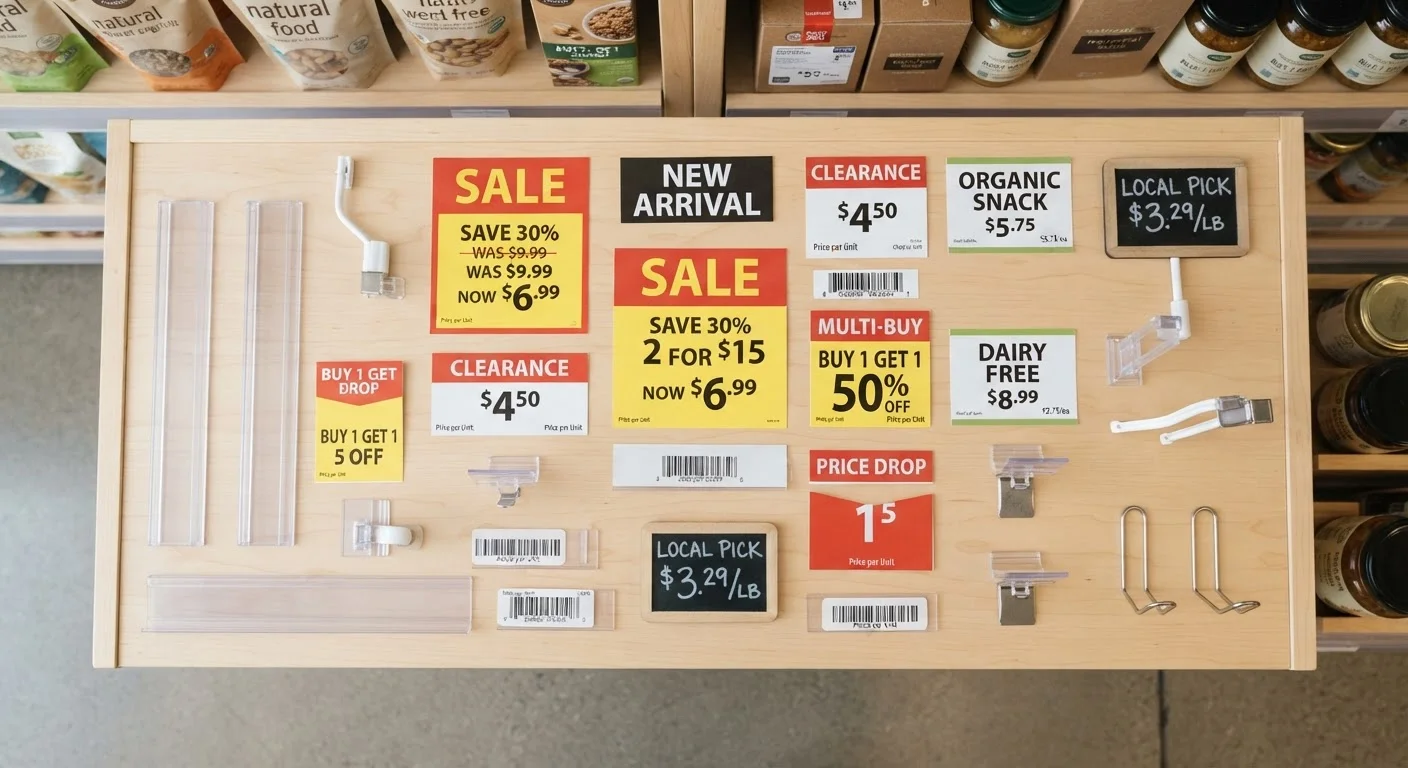
A plain-language glossary of retail pricing strategies, from anchor pricing to dynamic pricing, so shoppers can recognize them in the wild.
Why pricing tactics are worth learning
Retailers spend considerable resources designing how prices look, not just what they are. A shopper who understands the mechanics behind those numbers can separate genuine value from presentation. This guide defines the most common tactics in plain language so you can recognize them in any store or on any screen.
None of these techniques is inherently deceptive. Many are standard business practice. What matters is knowing when a pricing signal reflects real value and when it is primarily a nudge toward a purchase you might otherwise skip. For a broader look at financial terminology that supports household decision-making, see household budget terms every parent should understand.
Anchor price
A reference price displayed near a sale price to make the sale price appear lower by comparison. The anchor may be a suggested retail price, a former price, or a competitor's price.
Dynamic pricing
A pricing method that adjusts the cost of a product or service in real time based on factors such as demand, time, or user data. Common in travel, hospitality, and e-commerce.
Decoy pricing
Introducing a third price option that is deliberately unattractive to make one of the other options appear more reasonable or valuable by comparison.
Loss leader
A product priced at or below cost to attract customers, with the expectation that those customers will also purchase higher-margin items.
Price partitioning
Splitting a total price into a base amount and one or more fees displayed separately, often at different stages of a transaction.
Charm pricing
Pricing items just below a round number, such as $9.99 instead of $10, to make the cost feel perceptually lower.
Bundle pricing
Combining two or more products into a single package at a stated combined price, which may or may not be lower than the sum of individual prices.
Subscription anchoring
Presenting a recurring subscription primarily as a low monthly figure while the full annual commitment is shown in smaller or secondary text.
Tactics based on perceived value
Anchor pricing sets a high reference number near a lower price so the lower price feels like a deal. A furniture tag showing a crossed-out figure next to a sale price creates the anchor. Whether the original price was ever charged at scale is a separate question worth asking.
Charm pricing ends prices in .99 or .95. Decades of consumer research confirm that shoppers read $19.99 as closer to $19 than to $20, even when they know the gap is one cent. The effect is small per item but consistent across a cart.
Bundle pricing groups products together at a combined price that appears lower than buying each item separately. Bundles are sometimes a genuine saving, but only if you would have bought all items in the bundle at their individual prices. Items you do not need add cost, not value.
Decoy pricing introduces a third option, usually poorly priced, to make one of the other two options look more attractive by comparison. A medium subscription tier priced just below a large one can steer buyers toward the large tier without the large tier appearing expensive on its own.
Tactics based on timing and availability
Dynamic pricing adjusts prices in real time based on demand, time of day, browsing history, or inventory levels. Airlines, hotels, and many online retailers use it routinely. The same product or seat can carry a different price from one hour to the next. Checking prices across multiple sessions or devices can reveal the range.
Loss-leader pricing prices one item below cost to bring customers into a store or onto a site, with the expectation that the total purchase will be profitable. The discounted item may be genuine value; the items near it on the shelf or in the "frequently bought with" module may not be.
Urgency pricing attaches countdown timers, low-stock notices, or time-limited labels to a price. Some signals reflect real conditions; others are automated displays set to refresh. Verifying whether the restriction is genuine before acting on it is straightforward: check the same price a day later. Reading a retail sale tag without getting fooled explains the specific language retailers use and what it legally means.
For a practical checklist to run through before any significant purchase, see a pre-purchase audit for everyday buys.
Tactics that affect how you compare prices
Price partitioning splits a total cost into a base price and separate fees, displaying the base prominently and the fees later in the checkout process. The full cost is always the sum of all charges. Reading the final checkout screen before confirming is the only way to see the real number.
Unit price manipulation changes the unit used to calculate per-unit cost so comparisons across package sizes are harder to make. A large container priced per pound and a smaller one priced per ounce are not directly comparable until you convert. Unit price math covers the conversion process in detail.
Subscription anchoring presents a monthly price as the primary figure while the annual commitment is disclosed in smaller print. Multiplying the monthly price by 12 and comparing that to the annual total is the standard check.
Recognizing these tactics does not require suspicion of every retailer. It requires a habit of checking the full price, the unit price, and the terms before confirming any purchase. Those habits, applied consistently, are what quietly inflate or reduce the family budget over time.
The content provided on our blog site traverses numerous categories, offering readers valuable and practical information. Readers can use the editorial team’s research and data to gain more insights into their topics of interest. However, they are requested not to treat the articles as conclusive. The website team cannot be held responsible for differences in data or inaccuracies found across other platforms. Please also note that the site might also miss out on various schemes and offers available that the readers may find more beneficial than the ones we cover.