
Loyalty Programs, Cashback Apps, and Store Cards: What Actually Saves You Money

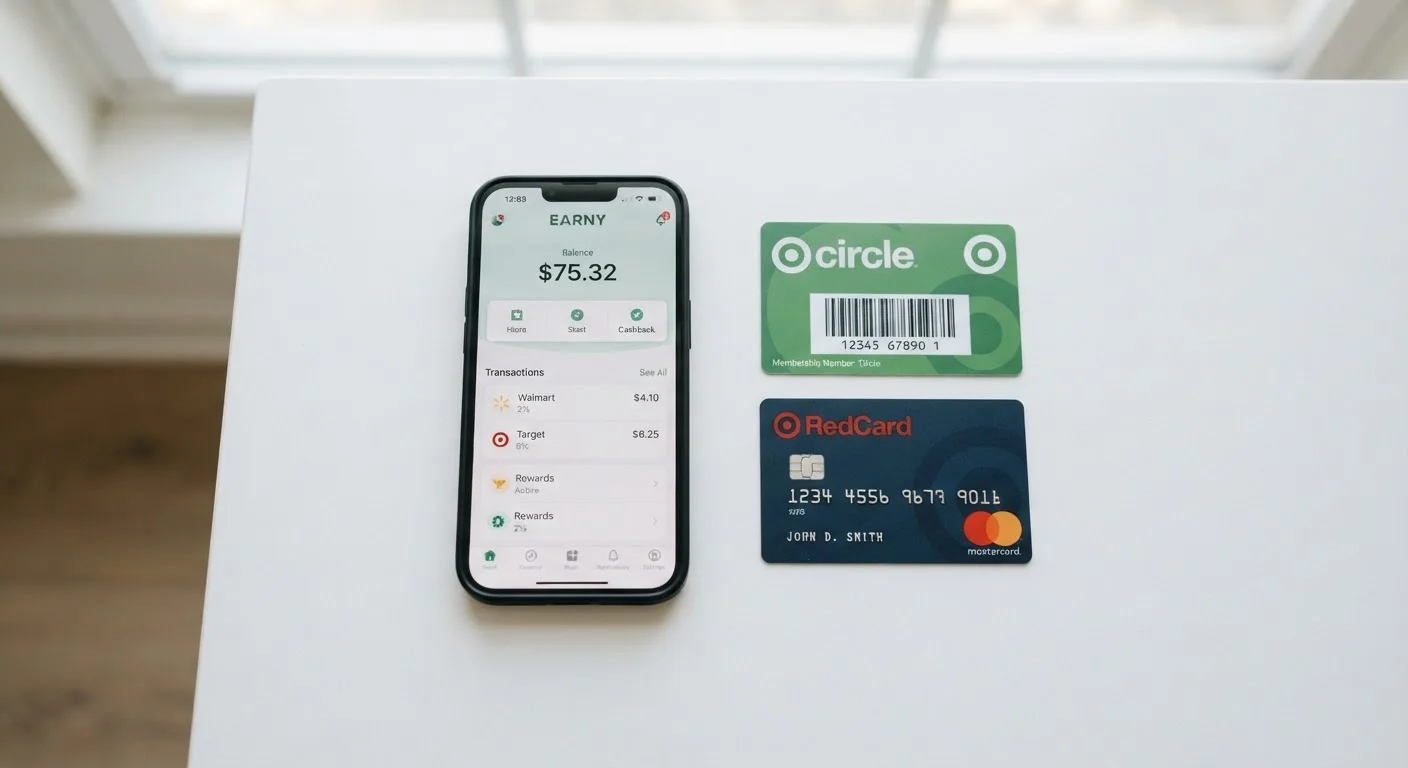
A clear breakdown of how loyalty programs, cashback apps, and store credit cards work, and which approach suits different shopping habits.
Our Verdict
No single tool wins for every household. Loyalty programs make sense for shoppers who already concentrate spending at one or two stores. Cashback apps suit families who shop around and want passive returns without a credit application. Store credit cards can deliver value, but only for disciplined cardholders who pay the balance in full each month, since their interest rates are among the highest in the consumer credit market.
| Best for | Recommended |
|---|---|
| Families who shop consistently at one or two grocery or pharmacy chains | Loyalty programs |
| Shoppers who buy across many retailers and want no credit risk | Cashback apps |
| Disciplined cardholders who pay in full every month | Store credit cards |
| Households managing existing debt or rebuilding credit | Cashback apps |
Key takeaways
- Loyalty programs cost nothing to join but often reward only frequent, single-store shoppers.
- Cashback apps work across many retailers and suit occasional or varied shoppers better.
- Store credit cards carry high interest rates that can cancel out any rewards earned.
- Carrying a balance on any rewards card removes the financial benefit almost entirely.
- The tool that saves most depends on where you shop, how often, and whether you pay in full.
How each tool actually works
Loyalty programs are point or tier systems run directly by a retailer or chain. You sign up, scan a card or app at checkout, and accumulate credits that convert to discounts or free items. The rewards belong to that store only, and they often expire if the account sits dormant.
Cashback apps sit between you and the purchase. You activate an offer, shop at a participating retailer, and receive a percentage of your spend as cash deposited to a linked account or digital wallet. Some apps work by scanning a receipt; others require purchasing through their portal. Returns are typically small per transaction but span hundreds of merchants.
Store credit cards are credit products issued by a financial institution on behalf of a retailer. They pay rewards on purchases at that store, sometimes at a higher rate than a general card, but carry annual percentage rates that commonly range well above 25 percent. A small number are co-branded with a payment network and accepted widely; most are closed-loop cards usable only at that chain.
This article is general financial information and education, not personalized financial advice. Consult a qualified financial professional before making decisions about credit products.
Where loyalty programs hold up
A loyalty program delivers real value when your household already concentrates spending at the same few stores, and you would shop there regardless of any reward. Grocery chains and pharmacies tend to have the most straightforward programs: the discount appears at checkout with no extra steps.
The limitation is lock-in. Points earned at one grocery chain cannot offset a better price at a competitor down the street. If chasing loyalty tiers changes where you shop rather than just rewarding existing behavior, you may spend more in aggregate to earn rewards that do not cover the difference.
Watch for expiration windows and blackout conditions. Some programs reset points annually or require a minimum spend each quarter to keep status. These rules favor high-frequency shoppers and penalize anyone who buys seasonally or in bulk. See how loyalty mechanics can quietly shape spending for a closer look at the behavioral side.
When cashback apps make more sense
Cashback apps have no credit component, no application process, and no interest rate. That makes them accessible to households at any credit stage, including those managing debt and savings simultaneously.
The effective return per dollar spent is usually lower than what a premium rewards card pays, but the absence of debt risk changes the math for many families. A 1 to 3 percent return with zero interest exposure is a better outcome than a 5 percent reward that sits behind a 28 percent APR.
| Loyalty programs | Cashback apps | Store credit cards | |
|---|---|---|---|
| Cost to join | Free | Free | Credit application required |
| Credit impact | None | None | Hard inquiry, utilization effect |
| Interest rate risk | None | None | High (often 25-30% APR) |
| Where rewards apply | Single store/chain | Many retailers | Single store or co-branded network |
| Typical reward rate | 1-5% in store credits | 1-3% cash | 5-10% at that retailer |
| Reward expiration | Often yes | Varies by app | Usually no, while card is open |
| Best for | Frequent single-store shoppers | Multi-retailer, no credit risk | High-spend, full-pay cardholders |
Receipt-scanning apps accept purchases from almost any store, which suits families who shop where prices are lowest rather than staying loyal to one chain. The main friction is activation: you must remember to turn on the offer before or during the trip, or scan the receipt afterward within the app's time window.
The case for store cards, and its conditions
A store credit card can produce a higher percentage return at that specific retailer than either a general cashback card or the store's own loyalty program. Some cards combine both, applying loyalty points and a card discount to the same purchase.
That math only holds if the balance is paid in full before the statement due date. A single month of carrying a $200 balance at a 29 percent APR generates roughly $5 in interest, which wipes out a typical 5 percent reward on a $100 purchase. Two months erases several months of earned rewards. The habits that keep monthly spending visible matter more when a high-interest card is in the wallet.
Store cards also affect credit utilization and appear on a credit report. Opening several in a short period can reduce a credit score temporarily, which matters if a mortgage or auto loan application is on the horizon. Treat a store card as a financial product first and a discount mechanism second.
Choosing based on your actual shopping pattern
Before signing up for anything, map where your household spends. If most grocery and pharmacy dollars go to two or three stores, those chains' loyalty programs are worth activating at no cost or risk. Cashback apps layer on top of loyalty programs at many retailers, so they are not mutually exclusive.
Store cards warrant a separate decision. Open one only if you already shop at that retailer frequently, you have no existing high-interest debt, and you are confident the balance will be cleared monthly. For households building stable financial habits, that discipline check matters.
If you prefer a single, simple system, a general-purpose cashback app that covers multiple retailers with no credit commitment is the lowest-friction starting point. Run a quick pre-purchase check to confirm the app has an active offer before you complete any larger purchase.
The content provided on our blog site traverses numerous categories, offering readers valuable and practical information. Readers can use the editorial team’s research and data to gain more insights into their topics of interest. However, they are requested not to treat the articles as conclusive. The website team cannot be held responsible for differences in data or inaccuracies found across other platforms. Please also note that the site might also miss out on various schemes and offers available that the readers may find more beneficial than the ones we cover.