
What an Emergency Home Fund Actually Covers (and What It Doesn't)

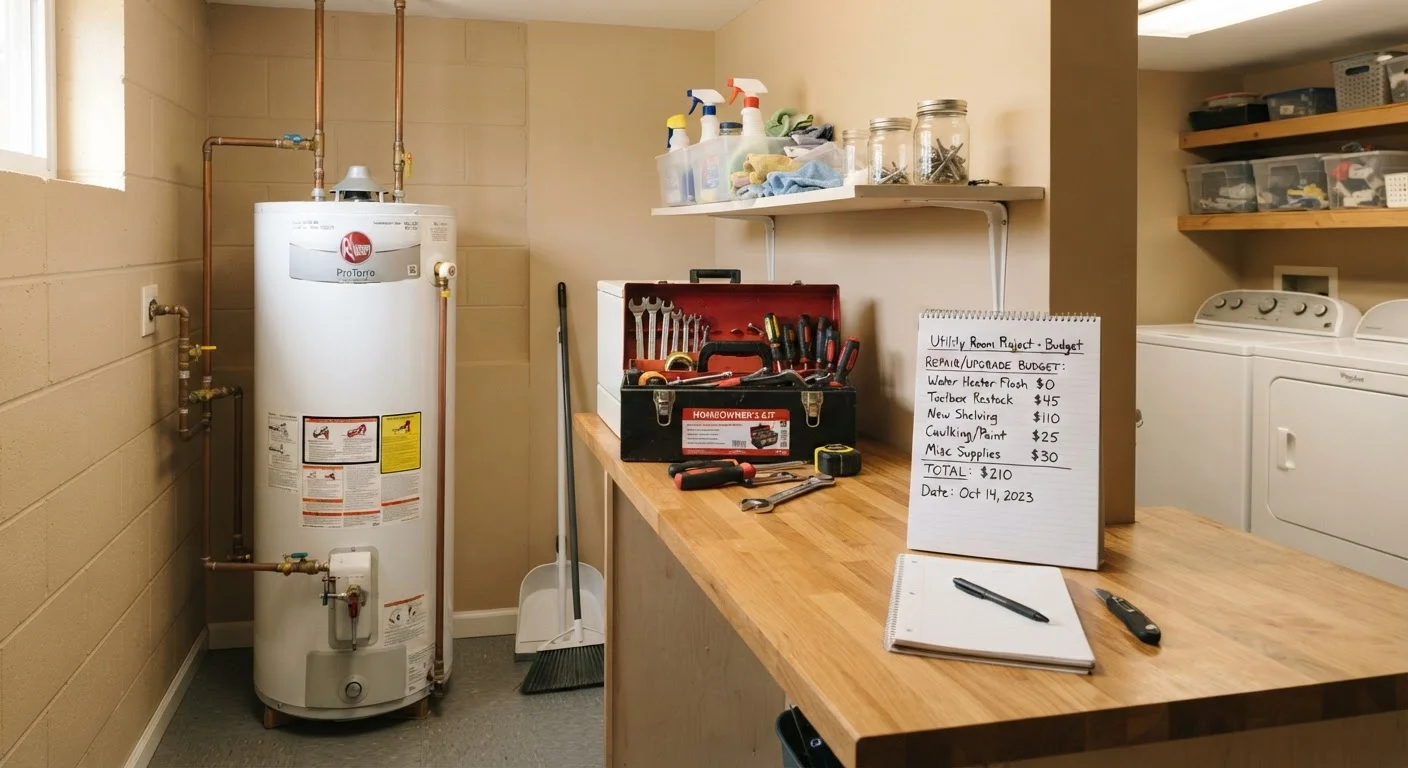
An emergency home repair fund is a widely recommended concept, but many homeowners misunderstand its scope. Here is a clear breakdown of what it should include.
Key takeaways
- An emergency home fund covers sudden, necessary repairs to systems and structure, not cosmetic upgrades.
- Routine maintenance costs should be budgeted separately, not drawn from the emergency reserve.
- Home insurance and a home warranty serve different purposes and do not replace a cash reserve.
- Older homes generally need a larger reserve because systems are closer to end of life.
- Keeping the fund in a separate, liquid savings account prevents accidental spending.
What the fund is actually for
An emergency home fund exists to cover repairs that are urgent, unplanned, and necessary for the home to function safely. The word "emergency" matters. A leaking roof that is soaking insulation, a furnace that quits in January, a water heater that floods a utility room, a failed sump pump during a heavy rain: these are the scenarios the fund is built for.
The common thread is that delaying the repair causes more damage or creates a safety problem. If you can schedule something three months out without consequence, it probably does not belong in the emergency category.
The fund is also not a catch-all for anything house-related. Replacing a worn-out deck, updating kitchen cabinets, or buying new appliances because you want newer models are home improvement decisions. They belong in a separate budget line, not in the emergency reserve.
Keep the fund liquid and separate
Store your home emergency reserve in an account you can access within one to two business days without penalties. A high-yield savings account works well. Avoid locking the money in a certificate of deposit or investment account where early withdrawal carries a cost or delay.
What the fund does not cover
Several categories trip homeowners up because they feel urgent but do not fit the definition of an emergency repair.
- Routine maintenance: Gutter cleaning, furnace filter changes, annual HVAC servicing, and exterior caulking are predictable costs. Budget for them on a regular schedule so they never surprise you.
- Cosmetic wear: Peeling paint, scratched floors, and dated fixtures are annoyances. They rarely become emergencies, and pulling from the fund for them leaves you exposed when a real problem hits.
- Appliance upgrades: Replacing a working refrigerator or dishwasher because it is old or inefficient is a planned purchase. If an appliance breaks and you choose to replace rather than repair it, that decision may draw from the fund, but the full cost of an optional upgrade should not.
- Permitted structural projects: Adding a room, finishing a basement, or replacing a roof that still has years of useful life are capital projects. They require separate savings and often separate financing decisions.
Keeping these distinctions clear protects the reserve from being slowly depleted by non-urgent spending. See our guide to weekend repairs that hold up for a closer look at which fixes you can handle yourself and which require professional help.
How home insurance and home warranties fit in
Homeowners insurance covers losses from specific covered events: fire, certain water damage from sudden incidents, storm damage, theft, and similar perils named in the policy. It does not pay for a furnace that breaks down from age, a water heater at end of life, or plumbing that corrodes over years. Those are maintenance and wear issues, which most policies exclude.
A home warranty is a service contract, not insurance. It may cover repair or replacement of specific systems and appliances if they fail, but coverage limits, service fees, and exclusions vary widely by contract. A home warranty can reduce some repair bills, but it rarely eliminates them entirely, and it does not provide immediate cash for emergencies the contract does not include.
Neither product replaces a liquid cash reserve. When something fails at midnight on a Friday, you need money available without waiting for a claim to process or a service technician to be dispatched under a warranty contract.
1% to 2%
Suggested annual home repair reserve
A commonly cited personal finance guideline recommends setting aside 1% to 2% of a home's purchase price each year to cover maintenance and unexpected repairs.
$1,000 to $5,000
Typical cost of common emergency repairs
Repairs such as water heater replacement, HVAC failure, or roof patching frequently fall in this range, according to general contractor cost data.
Building and protecting the reserve
Separating the fund from your regular accounts is the most practical step you can take. When home repair money sits in the same account as grocery and utility money, it tends to disappear gradually. A dedicated savings account, even one at the same bank, creates a visible boundary.
Older homes need a larger reserve. A house built in the 1970s or 1980s may have original plumbing, aging electrical panels, and HVAC systems near the end of their expected lifespan. The probability of a large, unexpected repair is higher, so the cushion should be too.
After you draw from the fund, treat replenishing it as a bill. Spread the rebuild over several months rather than waiting until the account is full again before contributing. The gap period is when a second emergency is most expensive.
For households still building the reserve, strategies for growing an emergency fund on a tight income can help you find a realistic starting point without stretching an already tight budget.
Frequently Asked Questions
The content provided on our blog site traverses numerous categories, offering readers valuable and practical information. Readers can use the editorial team’s research and data to gain more insights into their topics of interest. However, they are requested not to treat the articles as conclusive. The website team cannot be held responsible for differences in data or inaccuracies found across other platforms. Please also note that the site might also miss out on various schemes and offers available that the readers may find more beneficial than the ones we cover.