
Why the Grocery Budget Is the First Place Families Overspend

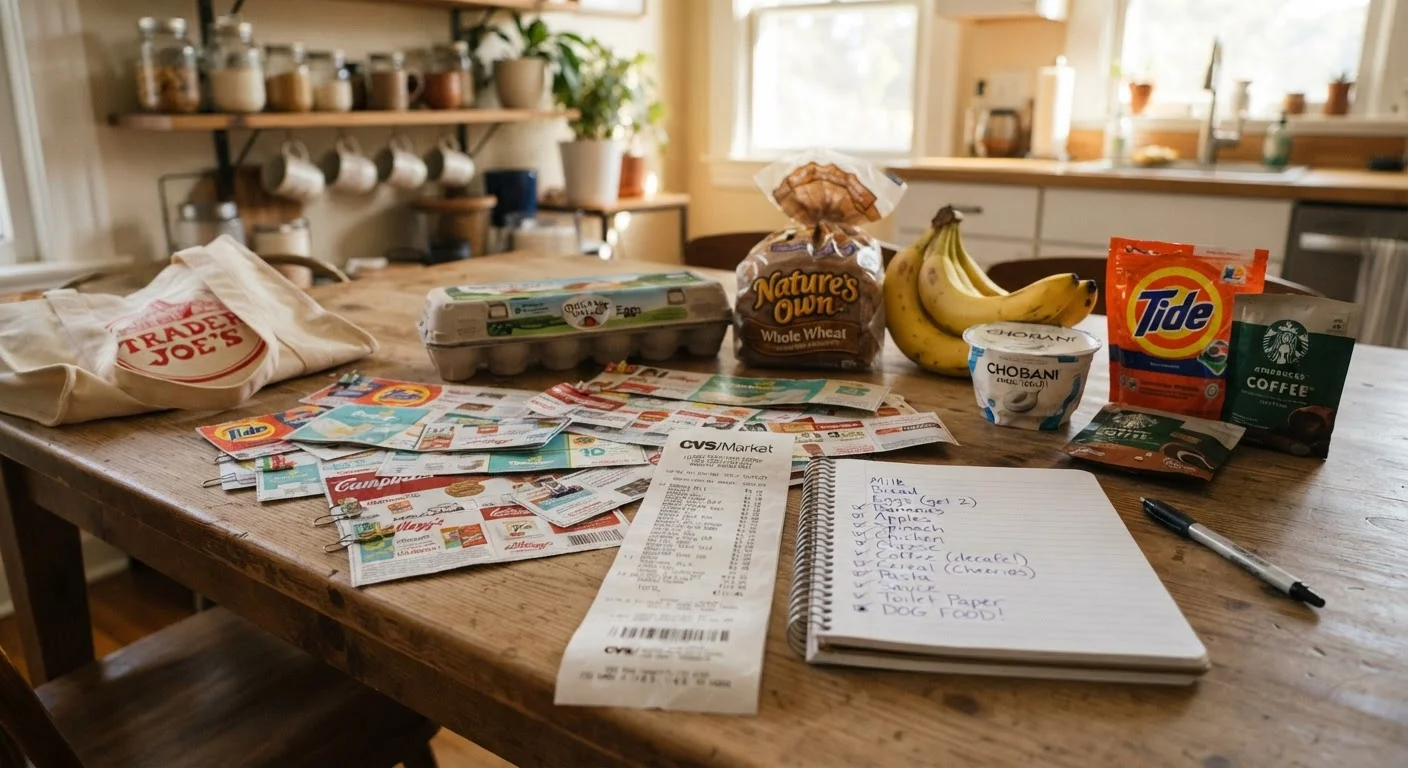
Explores the common planning and shopping errors behind grocery overspending and the straightforward shifts that help households regain control.
Key takeaways
- Shopping without a written list is the single fastest way to overspend at the grocery store.
- Not knowing your actual grocery budget before you shop makes it impossible to stay on track.
- Hunger, habit, and store layout work against your wallet every time you skip meal planning.
- Buying in bulk only saves money when your household will actually use what you buy.
- Small, frequent store visits cost more than one well-planned weekly trip.
Why groceries are where budgets break first
Housing and car payments are fixed. Groceries are not. That flexibility is exactly why the grocery line is where household budgets most often fall apart. Families make dozens of small decisions every week at the store, and without a clear system, those decisions pile up into a bill that feels shocking at checkout but hard to trace afterward.
The good news is that grocery overspending is almost always a planning problem, not an income problem. The habits behind it are predictable, and so are the fixes. Understanding which shopping habits quietly inflate your costs is a useful starting point before tackling the specific grocery mistakes below.
Shopping without a list.
Why it happens: Many shoppers rely on memory or a rough mental inventory, assuming they will remember what the household needs once they are in the store.
Not setting a dollar target before the trip.
Why it happens: Families often know roughly what they spend but have not converted that into a firm per-trip or per-week number, so there is no point at which the cart feels "full."
Shopping hungry or tired.
Why it happens: Hunger makes high-calorie, ready-to-eat, and snack items far more appealing than they would be on a full stomach. Fatigue weakens the mental effort needed to stick to a list.
Buying in bulk without checking household usage.
Why it happens: Bulk unit prices look attractive, and warehousing stores are designed to make large quantities feel like obvious savings.
Making multiple small trips instead of one planned trip.
Why it happens: Running out of a single item feels urgent, and a quick stop seems harmless. In practice, each unplanned visit involves browsing and additional purchases.
Ignoring unit prices and comparing only package prices.
Why it happens: The shelf tag shows the total price most prominently, and mentally dividing by weight or count takes effort most shoppers skip under time pressure.
How to build a system that holds
Fixing grocery overspending does not require a complicated app or a complete lifestyle overhaul. Most families see real improvement by locking in two habits: writing a weekly meal plan and reviewing last month's grocery receipts before building a budget number.
A meal plan does not need to be elaborate. Even mapping out five dinners per week reduces the odds of expensive last-minute decisions. When you know what you need, you buy what you need. Receipts reveal patterns that memory misses, such as how often a quick mid-week stop turns into a $40 run.
For families who want a structured approach to managing the money they free up, comparing envelope budgeting with zero-based budgeting can help you decide which method fits your household. If you are starting from scratch on spending awareness, tracking every dollar without overcomplicating it is a practical next step.
Grocery spending is also worth viewing inside the bigger picture of household costs. Understanding what a family budget actually does makes it easier to see why controlling one category has an outsized effect on financial stability overall.
This article is for general informational purposes only and does not constitute personalized financial advice. Consult a qualified financial professional for guidance tailored to your household's situation.
The content provided on our blog site traverses numerous categories, offering readers valuable and practical information. Readers can use the editorial team’s research and data to gain more insights into their topics of interest. However, they are requested not to treat the articles as conclusive. The website team cannot be held responsible for differences in data or inaccuracies found across other platforms. Please also note that the site might also miss out on various schemes and offers available that the readers may find more beneficial than the ones we cover.