
National Parks vs. State Parks: Which Stretches a Family Travel Budget Further

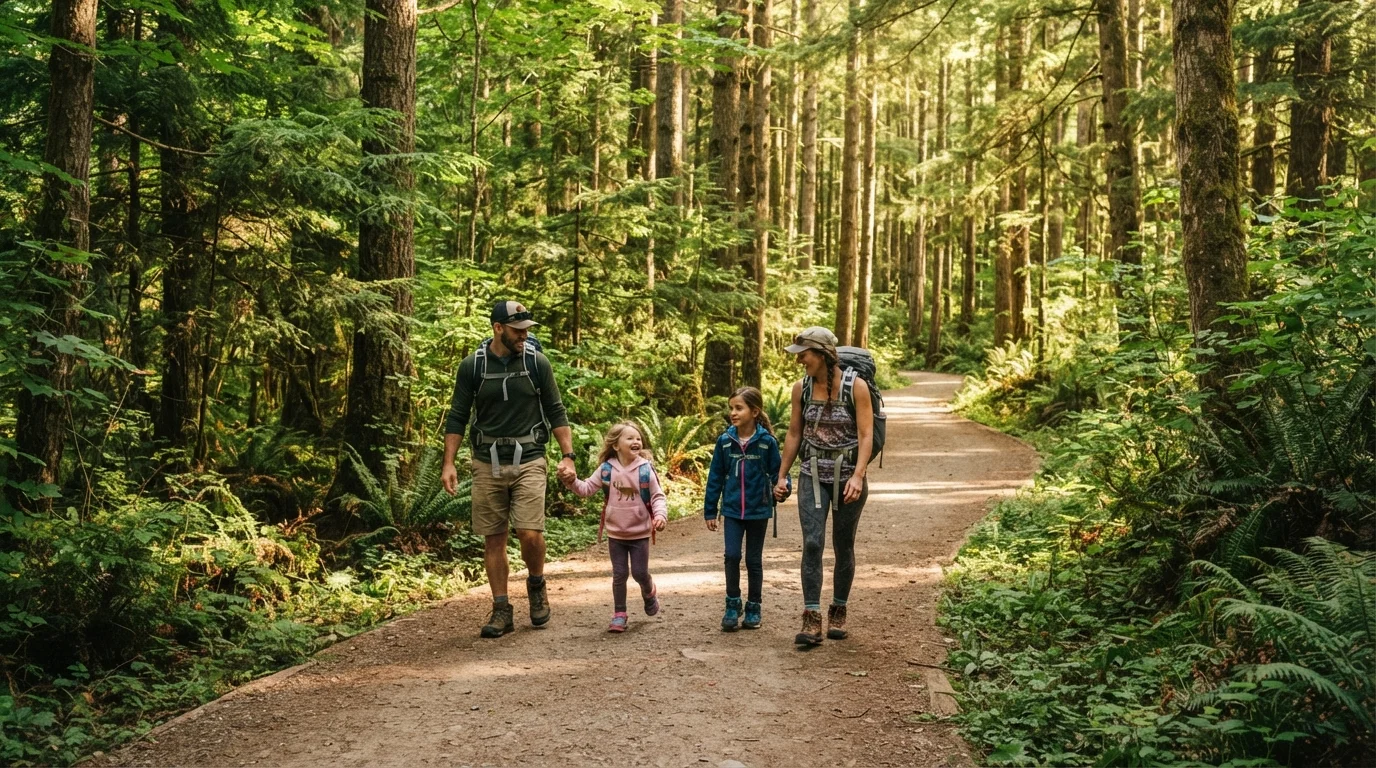
Compare entry fees, facilities, camping options, and crowd levels at national and state parks to decide which fits your family's travel budget.
Option A
National Parks
The high-profile, federally managed option with iconic scenery.
Best for: Families wanting marquee destinations and diverse activities across a single annual pass.
Option B
State Parks
The accessible, lower-cost alternative close to home.
Best for: Families seeking affordable camping, shorter drives, and less crowded outdoor experiences.
Key takeaways
- The America the Beautiful annual pass covers most national park entry fees for one vehicle.
- State park day-use fees are typically lower per visit, often ranging from free to $15.
- National parks draw far heavier crowds, which affects campsite availability and planning lead times.
- Many state parks offer hookup camping at prices well below comparable national park sites.
- Families visiting multiple parks in one year often save more with a national pass than paying per entry.
Entry costs: what you actually pay at the gate
National park entry fees vary by site. As of recent fee schedules published by the National Park Service, vehicle fees at popular parks such as Yellowstone and Grand Canyon run around $35 per vehicle per week. Smaller or less-visited national parks charge less or nothing at all. The America the Beautiful Annual Pass costs $80 and covers entry for one vehicle at nearly all federal fee sites for 12 months. For a family making even three paid-entry visits in a year, the pass typically pays for itself.
State park day-use fees are set by individual states and range widely, from free to around $15 per vehicle in most cases. Some states, such as Florida and California, sell annual state park passes that cover day use statewide for $60 to $180 depending on the state. If your family's travel stays within one state, a state pass can be the more economical option. Mixing both systems is also common: many families hold the federal pass and a state pass simultaneously, especially if they live near a concentration of state parks.
See our road trip cost breakdown for how park entry fees fit into the broader picture of what families spend on the road.
Camping: site costs, hookups, and availability
Campsite pricing at national parks has risen steadily. Developed sites with electrical hookups at national park campgrounds now commonly run $30 to $50 per night. Primitive sites are cheaper, often $15 to $25, but fill quickly. Reservation lead times at high-demand parks like Glacier or Yosemite can stretch to six months, and even that does not guarantee availability during summer peaks.
State park campgrounds tend to cost less. Hookup sites in many states fall between $20 and $35 per night, and primitive sites can be as low as $10 to $15. Crucially, reservation windows at state parks are usually shorter, sometimes two to four months out, which means families who cannot plan far in advance have a realistic shot at securing a site. Many state systems also allow same-day or walk-up reservations during shoulder seasons.
| Criterion | National Parks | State Parks |
|---|---|---|
| Day-use vehicle entry | $0 to $35 per vehicle | $0 to $15 per vehicle |
| Annual pass cost | $80 (America the Beautiful) | $60 to $180 (varies by state) |
| Developed campsite nightly rate | $30 to $50 | $20 to $35 |
| Primitive campsite nightly rate | $15 to $25 | $10 to $15 |
| Reservation lead time (peak season) | Up to 6 months | 2 to 4 months |
| Crowd levels | Very high at popular sites | Moderate to low |
| Facility quality | Varies widely by park | Consistent in well-funded states |
| Unique natural features | Iconic, one-of-a-kind landscapes | Regional, accessible scenery |
For a full look at how to avoid overspending before you even leave the driveway, the family vacation planning checklist covers reservation timing and booking traps worth knowing.
Crowds, facilities, and what families actually experience
National parks attract tens of millions of visitors each year. The National Park Service reported over 325 million recreation visits in a recent year. That volume creates real friction: parking lots fill by 8 a.m. at busy parks, shuttle systems become mandatory, and even bathroom facilities at trailheads can be overwhelmed. Families with young children often find this more stressful than scenic.
State parks see far fewer visitors per site. Facilities at well-funded state parks in states like Michigan, Colorado, and Virginia are genuinely good, with clean restrooms, maintained trails, and ranger programming. The experience is less crowded and often more child-friendly in practical terms. For families who want outdoor time without the logistics of a major federal site, state parks frequently deliver a calmer, more manageable trip.
That said, national parks offer scale and variety that state parks cannot replicate. Geothermal features at Yellowstone, canyon depth at Grand Canyon, and glacier access in Alaska are simply not available elsewhere. For a family introducing children to major natural landmarks, the experience is different in kind, not just degree. The regional guide to low-cost family activities lists specific options by area if you want to layer national forest access or free historic sites alongside a park visit.
Families who believe major parks are always out of reach financially may find the budget travel myths article worth reading before writing them off.
The content provided on our blog site traverses numerous categories, offering readers valuable and practical information. Readers can use the editorial team’s research and data to gain more insights into their topics of interest. However, they are requested not to treat the articles as conclusive. The website team cannot be held responsible for differences in data or inaccuracies found across other platforms. Please also note that the site might also miss out on various schemes and offers available that the readers may find more beneficial than the ones we cover.