
Free and Low-Cost Family Activities Across Every US Region

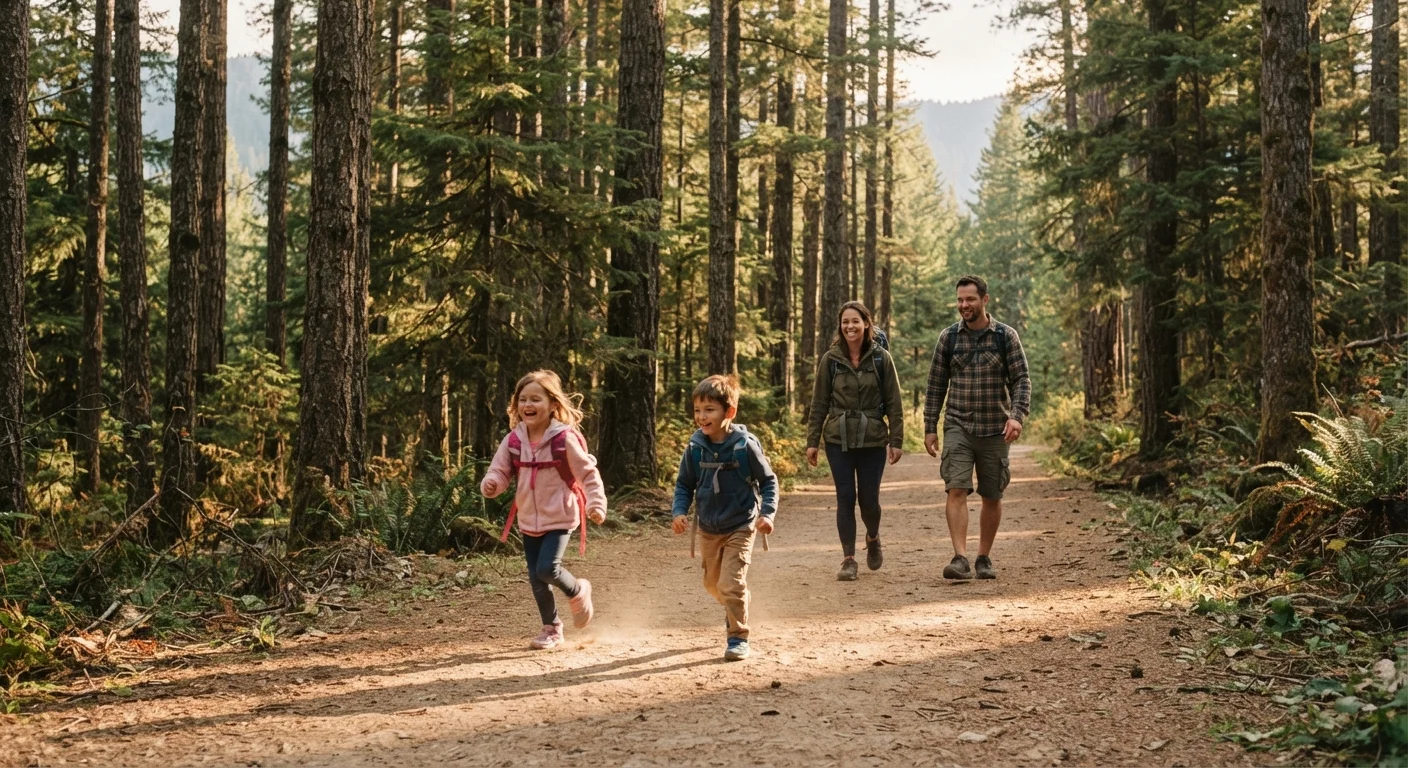
A curated regional guide to no-cost and affordable activities for families, from national forests and historic sites to free museum days.
Key takeaways
- Every US region has free or low-cost family activities, many of which require no advance booking.
- Federal recreation passes can eliminate entry fees at hundreds of national sites for a full year.
- Public libraries, free museum days, and local parks are overlooked resources that cost nothing.
- State parks often charge less than national parks while offering comparable outdoor experiences.
- Planning around seasonal timing and free admission programs can cut activity costs significantly.
Why region matters when finding free family activities
Affordable family activities are not evenly distributed across the country, and what works in one region may not translate to another. A family in the Southeast can spend a full week exploring national forest land for almost nothing. A family in the Northeast may find more value in urban museum programs and library pass systems. Understanding the specific resources available in each region helps you plan around what actually exists, rather than generic advice that falls apart on arrival.
This guide covers concrete options in each major US region, along with a set of nationwide programs that work anywhere. It does not account for every local option, but it gives you a practical starting framework. For families thinking about physical activity costs alongside travel, free ways to stay active as a family covers habits that travel well.
Northeast: free museum days and coastal state parks
Many museums in the Northeast participate in programs that waive admission on specific days or for library cardholders. The Smithsonian museums in Washington, D.C. are permanently free. Several New England states, including Massachusetts and Connecticut, have state park systems where day-use fees are modest, often under $10 per vehicle, and some parks charge nothing at all outside of peak summer weekends.
Coastal state parks in Maine, Rhode Island, and New Jersey give families access to beaches, hiking, and wildlife areas at a fraction of what private attractions charge. Packing lunch and spending a full day at a beach state park can keep costs for a family of four well under $30, including parking.
Library cardholders in many Northeast cities can access free museum passes year-round.
Southeast: historic sites, rivers, and free national forests
The Southeast has a dense network of national forests, many of which have no entry fee. The Cherokee National Forest in Tennessee and the Chattahoochee National Forest in Georgia both allow free access to trails, swimming holes, and picnic areas. Unlike national parks, most national forest land does not require a recreation pass for general day use.
Historic sites managed by the National Park Service are often free or charge only a small per-person fee. Many NPS sites in the Southeast, including battlefields in Virginia and South Carolina, charge nothing. For a broader pass, the America the Beautiful Annual Pass (currently $80) covers entry to all fee-charging federal sites for 12 months, which pays for itself quickly if your family visits more than two or three fee sites in a year.
Most national forest land in the Southeast has no entry fee for day visitors.
Midwest: free zoos, science centers, and lakefronts
Several Midwestern cities have free or donation-based zoos and science centers supported by public funding. The Lincoln Park Zoo in Chicago does not charge admission. The Detroit Institute of Arts offers a free general admission model for Wayne, Oakland, and Macomb county residents. These are not obscure alternatives; they are well-maintained institutions that draw large annual attendance.
The Great Lakes shoreline provides miles of public beach access in states like Michigan, Wisconsin, and Indiana. Indiana Dunes National Park has an affordable entry fee, and nearby state park beaches are accessible at low cost. Families traveling the Midwest can fill multiple days outdoors without spending on ticketed attractions. See how national and state park costs compare before deciding which sites to prioritize.
The Lincoln Park Zoo in Chicago charges no admission and draws millions of visitors each year.
Southwest: public lands and free ranger programs
The Southwest has some of the most accessible public land in the country. Bureau of Land Management (BLM) land covers large portions of Nevada, Utah, Arizona, and New Mexico, and most of it is open to visitors at no cost. Slot canyons on BLM land, desert trails, and dry lake beds are free to explore. The trade-off is that some areas lack facilities, so families need to bring water, food, and supplies.
National Park Service junior ranger programs are free at every participating park and keep children engaged through structured activity booklets. Many visitor centers also host free ranger-led talks and walks. If your family plans to visit multiple fee-charging parks in the Southwest, the America the Beautiful Pass saves money quickly. Stretching a Southwest trip on a tight budget covers how to keep lodging and food costs in check alongside these activity savings.
Bureau of Land Management land in the Southwest is largely free and spans millions of acres.
West Coast and Pacific Northwest: trails, tidal pools, and free cultural sites
California, Oregon, and Washington have extensive trail networks managed by county and city parks departments, most of them free. Tidal pool areas along the California and Oregon coasts are publicly accessible and require no fee. Many require only that visitors arrive at low tide, which families can plan around using a basic tide chart.
Seattle's Olympic Sculpture Park is free and open daily. In California, most county-run beaches have free or low-cost parking outside of summer peak hours. Portland's Forest Park, one of the largest urban forests in the country, is free and has dozens of trails suitable for children. Cultural centers and Native American heritage sites in the Pacific Northwest sometimes offer free public programming; checking local event calendars before your trip can surface activities that cost nothing.
Portland's Forest Park is free, urban, and has enough trails to fill multiple family visits.
Nationwide: programs and passes that cut costs across regions
Several programs apply regardless of which region you visit. The Every Kid Outdoors program provides a free annual pass to all fourth graders and their families, covering entry to federal fee areas for the full school year. The America the Beautiful Pass is available at a discounted rate for adults with disabilities and is free for active-duty military families.
Public libraries in most US cities offer free passes to local museums, nature centers, and historic sites through cultural pass lending programs. These programs vary by library system, so it is worth checking the digital catalog of any library you have a card with. Common myths about free travel resources covers why many families overlook these tools. For a full picture of what a family trip actually costs once you factor in driving and lodging, road trip cost breakdowns is a practical companion.
Fourth graders receive a free federal lands pass through the Every Kid Outdoors program each school year.
Making the most of what each region offers
Verify fees and program availability before you go
Entry fees, free admission days, and program details change. Always confirm current information directly with the park, museum, or site before your trip. Library pass availability also varies by branch and season, so check your library's catalog or call ahead.
The activities in this guide share a common characteristic: they rely on public land, public institutions, or structured programs that have existed for years and are not going away soon. National forests, public beaches, and library pass programs are durable resources. Junior ranger booklets have been around for decades. The America the Beautiful Pass has a clear fee structure that families can calculate against their planned trips.
Families who use a combination of regional free resources and one or two nationwide programs can significantly reduce what they spend on activities without reducing the number of days out. Packing food, arriving early to avoid parking fees, and checking event calendars for free programming are the practical habits that turn a moderately affordable trip into a genuinely low-cost one. Everyday money habits for families covers how these travel decisions fit into broader household budgeting.
The content provided on our blog site traverses numerous categories, offering readers valuable and practical information. Readers can use the editorial team’s research and data to gain more insights into their topics of interest. However, they are requested not to treat the articles as conclusive. The website team cannot be held responsible for differences in data or inaccuracies found across other platforms. Please also note that the site might also miss out on various schemes and offers available that the readers may find more beneficial than the ones we cover.